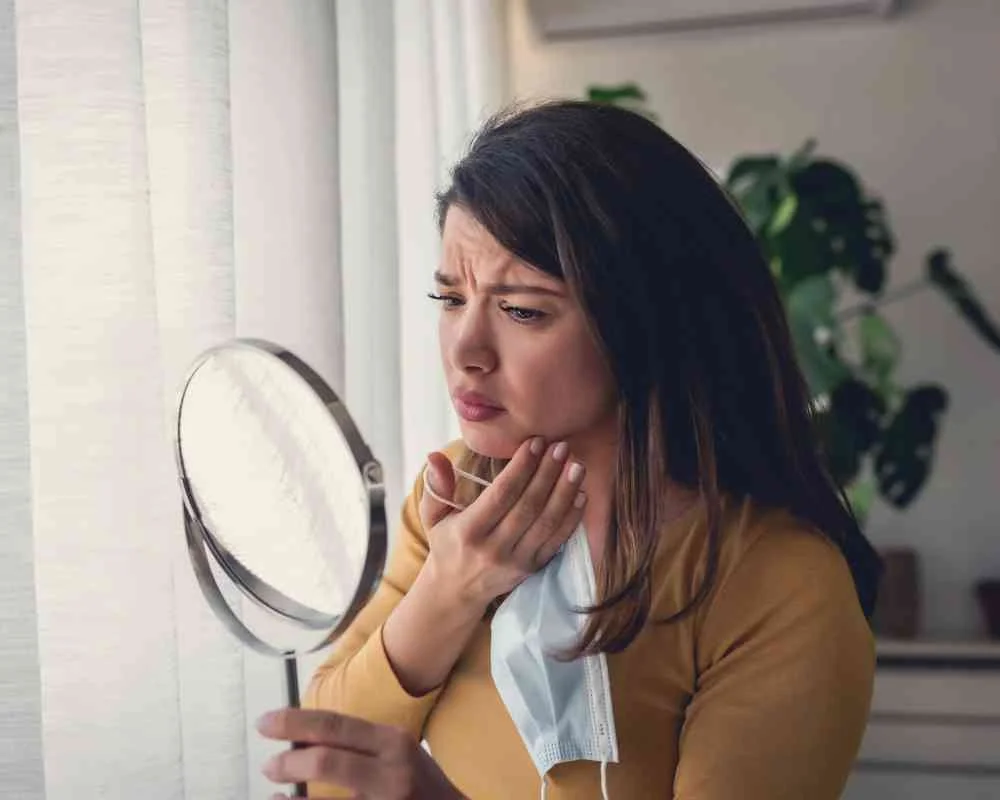
Over the past three years, our daily lives have changed pretty drastically. From how we work, communicate, and live, things look very different. One of the most visible changes is something that you see many people wear out in public settings – the face mask. We wear these face masks to keep us safe from dangerous and troubling illnesses. From Covid-19 to flu and cold viruses, we are protected from breathing in germs or giving others the germs we may have. While masks are a necessary accessory in our daily lives, the constant wear of a mask can increase your risk of developing facial acne, redness, or irritation around the masked area. Maskne is a type of acne that forms on the skin around your nose, mouth and chin. Maskne is caused by excess oils in the pores of the skin. It can also be caused by an allergy to cosmetics, perfumes or other products that touch your face. While this can be frustrating, especially as we work to care for our skin, there are steps you can take to prevent it. You also don’t have to choose between wearing a mask and having radiant, healthy-looking skin.
Wash your face twice a day with a gentle cleanser.
Washing your face twice a day with warm water and a gentle cleanser, like our Joatinga Gentle Cleanser will keep your face fresh, clean, and help keep maskne at bay. It’s important to remember that your contains natural oils and, depending on your skin type, may get visibly oily and shiny throughout the day. This, combined with the sweat, dirt, and other elements that your face is exposed to each day can clog pores, causing blackheads and pimples.
Exfoliating your face and body will also help to remove dead skin cells that cover the surface of the skin. So when you wash your face in the morning, there are no more dead skin cells on top of your pores. This will allow things like dirt and oil to come out easier without getting trapped in a pore. You also want to make sure that you’re using a toner after cleansing because it will help remove any dirt or oil that still lingers on your face after washing off all of the makeup from the night before (or whatever else may have been left behind).
Wash anything that touches your face.
Wash anything that touches your face, especially your fabric-clothed face masks. If you are not wearing disposable masks, make sure you wear only clean masks each day. Dirt, oil, sweat, and other germs can live on fabrics, and putting dirty masks on your face can increase your risk of acne outbreaks. If you have oily skin, use an alcohol-based cleanser to further sterilize the mask. Avoid using harsh soap or body wash because these products will leave a residue that can irritate sensitive skin. Another good rule is to get as much cool airflow into the mask area as you can without exposing yourself to the risk of airborne illness. Bacteria grows in warm places, so if your mask area gets too hot, it can allow skin irritants to flourish. If possible, avoid strenuous activity while wearing the mask (e.g., running or cycling). In safe settings pull down your mask to use a cleansing wipe to refresh the area and remove any sweat, oil, etc.
This also includes your bedsheets and pillowcases. Wash your pillowcase frequently to prevent bacteria from causing further irritation of your face during sleep. Use hot water when washing the pillowcase because hot water helps kill bacteria and germs. Use skin-friendly laundry detergent and avoid any super fragrant dry sheets or fabric softeners, as these can also be irritants for sensitive skin.
The type of fabric and how tight the mask fits may influence breakouts.
The type of fabric your mask is made out of and how tight the mask fits around your face may also influence breakouts. There are a variety of masks that you can choose from, from surgical to fabric, each type can impact our skin differently, and choosing the right one for your skin type and need is important. If you have sensitive skin, you may want to consider using an organic cotton mask instead of one made out of synthetic material since some synthetic fabrics can irritate your skin over time. When deciding what type of protective face mask is best, your first consideration should always be safety based on the recommeneded guidelines in your region and state. You also want to to determin which materials are best for you day to day use. Where you work and the general contact you may have with the public may affect your mask type and quality for effectivness.
When ultimately making the selection on mask, choose a fabric that lets you breath comfortably and fits your face well. Anythig that is too loose around the nose, or cuts into the sides of your cheeks and tugs your ears is not right for you. Wearing an incorrecct mask can mean more friction against your skin and the need to touch your face often to adjusts, which just transfers germs and bacteria from your hands to your face. The best masks are made from layers of light and breathable fabrics such as 100% cotton. These fabrics are gentle on skin and go far to minimise friction and irritation.
Mask up and stay safe, but also remember to care for your face and skin. Mask Safety is something to think about, especially with flu season approaching, but taking care of your skin in general is always important! Maskne is common but easily preventable and treatable with the right steps. Clean your face often, wear clean masks daily, and keep the right fit and fabric of mask with you. If you suffer from skin irratations, or hyperpigmentation due to acne, talk to a professional to recommend the right products for your skin and skin type. You can enjoy beautiful, clean skin underneath your mask. The Wax Pros at Depil Brazil know all things skin and are ready to help you with your skincare goals. Book your first wax now and choose any service free – that includes facial wax service, too!